Picture this. You’re at a dinner party, laughing with friends. Suddenly, your favorite necklace slips off your neck and vanishes under the table. You search everywhere, but it’s gone. A faulty clasp caused it all. Clasps act as the quiet guardians of your jewelry. They hold chains, bracelets, and pendants in place day after day.
Yet many people ignore them until disaster strikes. Signs your jewelry clasp is failing show up early if you know what to look for. Daily wear, sweat, and tugs take their toll. Spotting problems saves your pieces from loss or damage.
This guide shows you how. First, learn common clasp types. Next, check visual clues. Then, run quick home tests. Finally, decide on fixes. Ever wondered if that sticky clasp means trouble? Keep reading to identify when a jewelry clasp needs to be replaced. You’ll gain confidence to protect your treasures.
Know the Common Types of Jewelry Clasps to Spot Issues Faster
Clasps come in a few main styles. Each has unique strengths and weak spots. You inspect better when you match the type to its quirks. Think of your clasp like a door lock. Some use springs, others bars. Knowing yours helps you check the right parts first.
Gold, sterling silver, or plated metals build most clasps. Quality matters because cheap ones wear out quicker. Daily use stresses springs and hinges most. Tailor your exams to the design. That way, you catch failure signs before they worsen.
Lobster Claw Clasps: Watch for Spring Wear
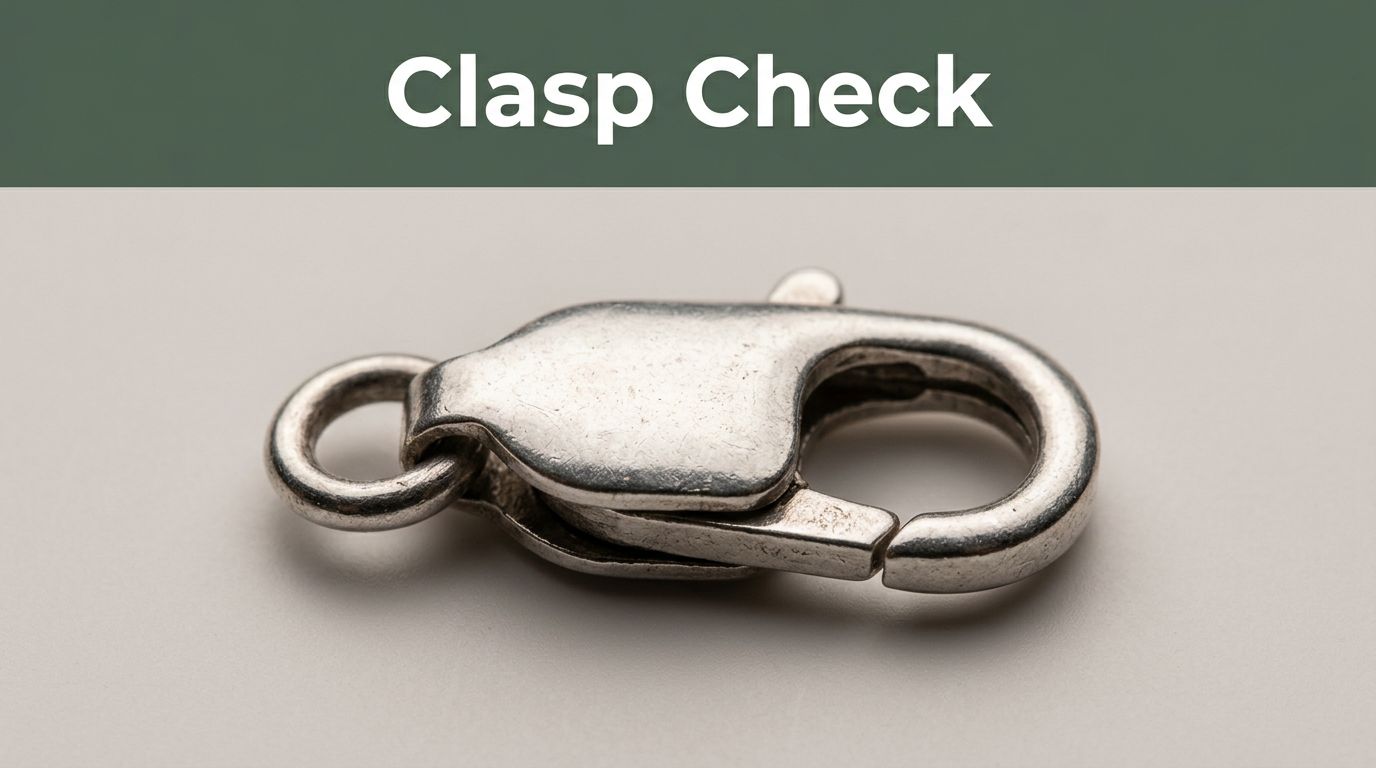
Lobster claw clasps mimic a crab’s pinch. You press a lever. A spring-loaded hook snaps into a notch. They suit necklaces and bracelets well because they grip tight.
Springs fatigue over time. The lever sticks if tension drops. Prongs bend from rough handling or heavy pulls. Gold versions soften easiest under force. Inspect by opening and closing. Does it snap back fast? Weak action signals replacement soon.
Gentle use extends life. Avoid yanking chains. These clasps last years with care, but springs rarely recover.
Spring Rings: Check for Deformation
Spring rings form a circle with a twist-open gap. You rotate the side tab to slide chains through. Simple design fits many pieces.
Daily twists ovalize the ring. Seams gap wider from constant pressure. Low-cost versions fail fastest because thin metal deforms. Silver tarnishes here too, adding weakness.
Examine the shape under light. A perfect circle passes. Wobbles mean it won’t hold secure.
Toggle and Box Clasps: Hidden Loose Parts
Toggle clasps use a bar that threads into a ring. You push it through and twist to lock. Box clasps snap two flat pieces together with an internal tack.
Bars slip if the ring widens. Box innards loosen without you seeing. Gold plating flakes, exposing base metal to corrosion. Test closure by tugging lightly. Solid hold reassures.
You don’t need to take them apart. Just note any play. These designs hide issues, so regular checks matter.
Spot the Visual Warnings Your Clasp Is on Its Last Legs
Your eyes catch most problems first. Grab a magnifier and bright light. Look close at scratches, bends, or odd colors. These clues scream trouble.
Friction from chains grinds metal down. Sweat speeds rust on base metals. Poor quality skips protective plating. Real example: a daily wearer shows grooves after months. Cosmetic wear hides danger. Structural flaws lead to snaps.
Replace on sight. Delaying risks your jewelry. Differentiate surface dings from deep damage. Urgency builds peace of mind.
Bends, Dents, and Misalignments
Force bends soft metals like gold. Dents crush prongs or levers. Misalignments happen when parts shift.
A straight clasp looks crisp. Crooked ones lose grip. They open by accident during wear. Check from all angles. Bent means replace now. Metal forgets its shape after stress.
Scratches, Wear, and Discoloration
Chains rub daily, carving scratches. Grooves deepen over time. Tarnish dulls shine and pits surfaces.
Compare to new photos online. Fresh clasps gleam smooth. Worn ones pit like sandpaper. Green patina signals corrosion eating strength from inside. Clean first, then judge. Persistent dullness warns of failure.
Gaps or Loose Mechanisms When Closed
Closed clasps fit flush. Gaps appear from wear. Missing pins or rings worsen it.
Shine light through. No space shows security. Gaps let chains slip. Shake gently. Silence passes; rattles fail. Insecure holds spell loss.
Run These Simple Tests to Confirm Clasp Failure
Visuals raise flags. Tests prove it. Use your hands and common sense. No fancy tools needed. Compare to a spare if you have one.
Open and close smoothly each day. Tug mimics real pulls. Listen for clues. Safety first: don’t force anything. Pass if it holds firm. Fail signals swap time.
These checks build skills. Do them weekly. Confidence grows with practice.
The Smooth Open-Close Test
Press the lever 20 times. It should click effortless. Sticking grinds from dirt or wear.
Grinding means friction damages parts. Clean with soap water first. Still rough? Springs fail inside. Quick test spots 80% of issues.
The Tug and Shake Security Check
Hold chain ends taut. Pull apart gently. No slip passes.
Shake side to side. Rattles point to loose bits. Solid silence reassures. Test while worn for real feel. Sloppy action demands attention.
Daily Wear Observation Trial
Wear the piece all day. Note shifts or opens.
Mimic stress without risk. Loosening by evening fails. This trial reveals hidden weakness. Simple yet effective.
Your Action Plan: Repair, Replace, or Call a Pro
Minor sticks clean easy. Soak in mild soap. Dry, then lube with jewelry oil. Works for dirt buildup.
Bends or rust need new clasps. Match original type and metal. Necklaces take lobster styles; bracelets toggle.
DIY swaps suit simple ones. Grab chain-nose pliers and jump rings. Open ring, thread clasp, close tight. Practice on junk first. Parts cost $5 to $20 online.
Complex or valuable? See a jeweler. They fix for $20 to $50. Avoid chemicals daily. Store in soft pouches.
Checklist: inspect monthly, test hold, replace proactively. Grab tools now. Your jewelry thanks you.
Spotting signs your jewelry clasp is failing early changes everything. Visual bends, gaps, and failed tests demand action. Regular checks prevent lost treasures and repair bills.
You hold the power now. Inspect your pieces today. Share in comments: what clasp type do you wear most? Found issues lately?
Extend their life with care. Your favorites deserve it.