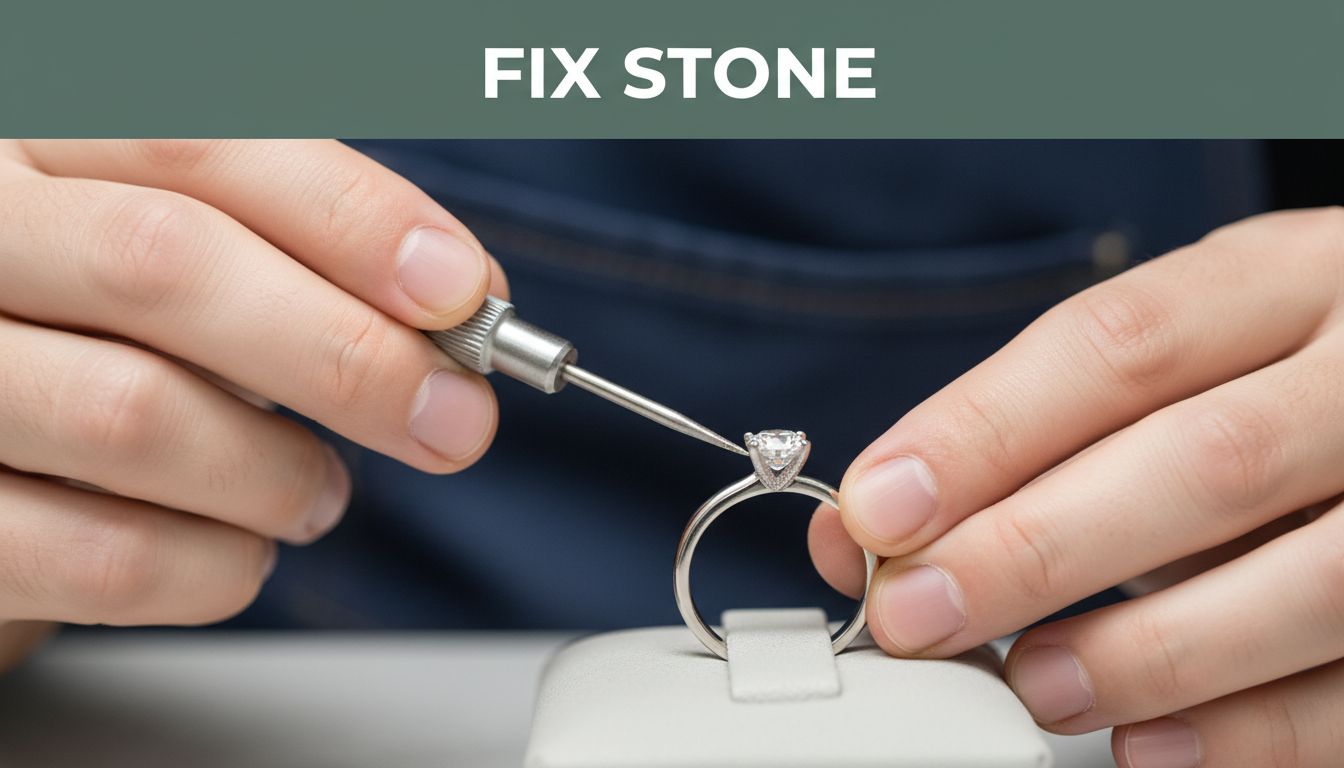
Picture this. You slip on your favorite necklace for a night out. Suddenly, the diamond wobbles. It feels like it might pop out any second. Loose stones strike fear in jewelry lovers. They happen often in store-bought pieces because everyday wear beats up thinner settings.
Commercial jewelry uses softer metals to cut costs. Daily knocks from keys or handbags loosen prongs fast. You don’t need a pro to fix it. Save cash and keep your sparkle intact with simple steps. This guide covers spotting issues, tools, repairs, and prevention. Beginners can handle it safely at home.
Spot a Loose Stone Early to Avoid Losing It Forever
Catch problems quick. A loose stone can vanish down a drain or street grate. Check your rings and pendants weekly. Look for rattles, gaps, or worn metal. Commercial settings like prong, bezel, or channel hold gems in mass-produced pieces.
Prong settings grip diamonds with metal claws. Bezel edges wrap around colored stones. Channel styles line up gems in bands. Softer alloys in these pieces bend under pressure. Sweat, lotions, and sports speed up the wear.
Perform a home test. Shake the piece over a soft cloth. Listen for clicks. Shine a light at angles. Gaps show up clear.
Here are key signs of a loose stone:
- Stone rocks or tilts when you nudge it.
- Visible space between gem and metal.
- Prongs look bent, flattened, or scratched.
- Bezel edges lift or chip away.
- Metal dulls around the stone base.
Act fast. Forcing it risks cracks. If the piece holds value, pause and think.
Visual Clues and Quick Shake Test
Grab good light. Use a jeweler’s loupe if you have one. Tilt the jewelry. Check for tilted stones or bent prongs. Dull metal signals wear.
Lay a soft cloth down. Hold the piece firm. Shake gently side to side. Feel movement? Hear a rattle? That’s your cue.
Don’t panic. Most fixes take minutes. However, skip this if the stone chips easy.
Why Commercial Settings Loosen Faster Than Custom Ones
Factory pieces save money with alloys like sterling silver or plated gold. These bend easier than solid platinum. Custom work uses thicker prongs.
Daily life hits hard. Sweat corrodes metal. Lotions slip under edges. Resizing stretches settings.
Still, you can tighten them yourself. Results match pro work with care.
Gather Affordable Tools for a Pro-Looking Jewelry Repair
Stock up smart. You need basics for safe fixes. Total cost stays under $30. Buy kits online or at craft stores.
Start with a jeweler’s loupe for close views. Soft microfiber cloths prevent scratches. Wooden toothpicks lift gently. A prong pusher tightens claws. Use a ballpoint pen tip as backup.
For bezels, grab a burnisher or spoon handle. Cleaning needs mild soap and a soft brush. An ultrasonic cleaner helps if you own one.
Set up right. Pick a steady table with bright light. Keep pets away. Work slow to avoid slips.
Real tools beat hacks long-term. They give clean pressure without marks.
Everyday Items That Work in a Pinch
No kit yet? Try a plastic knife for prongs. Press soft. Orthodontic wax holds stones steady.
These work once. But dedicated tools last. They prevent future slips. Invest small for big wins.
Fix It Step by Step: Tighten That Loose Stone Safely
Practice first. Use junk jewelry. Remove the piece from your body. Work in short bursts. Stop if unsure.
Most commercial gems sit in prong or bezel settings. Follow these for both. Patience wins.
- Lay tools out. Inspect under light.
- Clean fully. Dry with cloth.
- Stabilize stone. Add wax if needed.
- Reposition gem. Nudge to seat.
- Secure edges. Push even.
- Polish and test. Wear to check.
Go slow. Even pressure keeps gems safe.
Clean and Stabilize Before Starting
Soak in warm soapy water ten minutes. Brush crevices gentle. Rinse well. Dry completely.
Apply beeswax to stone base. It grips without glue. Inspect again. Note damage spots.
Clean dirt blocks tight fits. This step sets success.
Gently Reposition the Gem
Use toothpick end. Nudge stone down. Avoid gem face pressure.
Check top, sides, bottom. Align perfect. Turn piece often.
Centered gems seat best. Off spots cause repeats.
Secure Prongs or Bezel Edges
For prongs, hold pusher at 45 degrees. Push toward center. Do one at a time. Small moves.
Bezel needs burnisher rolls. Curl edge over stone. Go around even.
Over-tighten bends metal. Test after each prong.
Polish, Test Movement, and Set It
Buff with microfiber. Shine returns fast.
Shake over cloth. No rattle? Good. Wear one day. Check again.
Still loose? Repeat steps. Or call help.
Test Your Fix and Prevent Future Problems
Wear it normal. Twist ring on finger. Shower with it once. Sleep in earrings overnight.
No movement? Success. Daily checks keep it tight.
Prevent woes with habits. Remove for chores. Store in soft boxes. Clean monthly.
Avoid chemicals. Harsh soaps eat metal. Book pro checkups yearly.
Watch red flags. Chipped stones need experts. Repeated loosens signal weak settings.
Simple Habits to Keep Stones Tight for Years
Clean weekly with soap. Dry right away. Use lined boxes for storage.
Skip rough sports. No gym weights with rings. Check insurance covers loss.
These tweaks add years. Your jewelry stays fresh.
When to Hand It Over to a Jeweler
High-value diamonds? Go pro. Pavé or intricate bands confuse DIY.
Failed fixes? Or chips? Pros fix right.
Costs beat replacement. Simple jobs run $20-50. Peace of mind follows.
Loose stones don’t doom commercial jewelry. Spot early with shakes and lights. Gather cheap tools like pushers and cloths. Clean, reposition, secure step by step.
You gain skills for life. Start on low-stakes pieces. Tight prongs restore sparkle.
Fixed your ring yet? Share stories below. Subscribe for more tips. With care, pieces last forever.